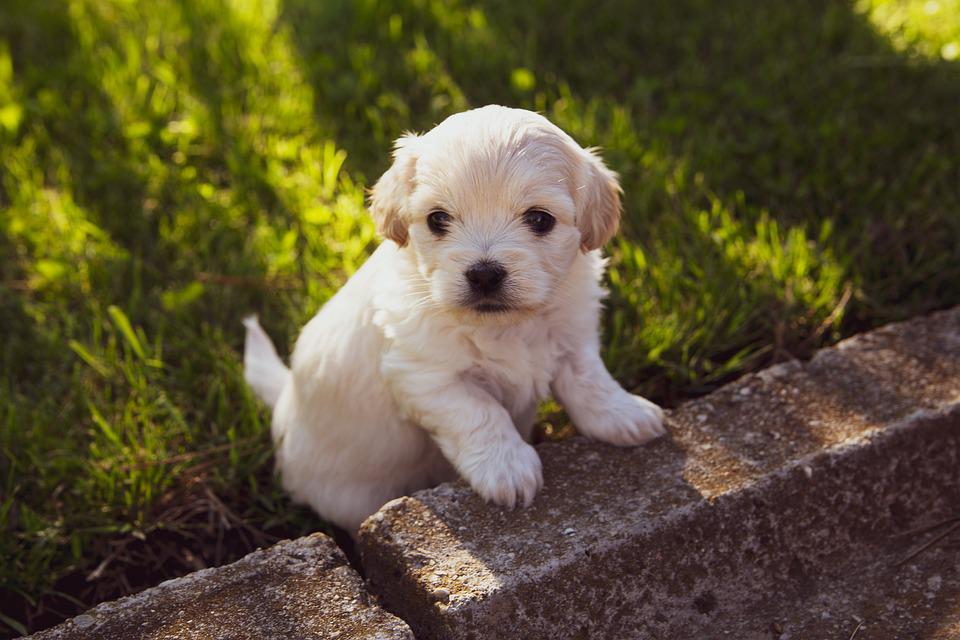
Welcoming a new puppy into your home is an exciting and joyful experience. These bundles of energy and curiosity bring endless love and laughter but also a fair share of challenges. One of the most crucial steps in preparing for your new furry friend is puppy-proofing your home. This process not only ensures the safety of your puppy but also helps in maintaining a harmonious household. In this blog, we’ll explore why puppy-proofing is essential and highlight some commonly overlooked aspects.
Why Puppy-Proofing is Important
Safety First: Puppies are naturally inquisitive and tend to explore their environment by chewing, licking, and sniffing everything they encounter. This can lead to accidents and injuries if the surroundings are not safe. Puppy-proofing helps to eliminate potential hazards, ensuring that your pet can explore without getting hurt.
Preventing Damage: A teething puppy will chew on anything within reach, including furniture, shoes, and electrical cords. By making your home puppy-proof, you protect your belongings from being destroyed and save yourself from costly repairs or replacements.
Training and Discipline: Creating a safe space for your puppy helps in establishing boundaries and training them effectively. It teaches them where they are allowed to go and what they can play with, promoting good behavior from an early age.
Peace of Mind: Knowing that your home is safe for your puppy allows you to relax and enjoy the experience of having a new pet. It reduces the stress and anxiety that come with constantly worrying about potential dangers.
Steps to Puppy-Proof Your Home
Remove Hazardous Items: Go through each room and remove or secure any items that could be dangerous to a curious puppy. This includes cleaning supplies, medications, small objects that could be swallowed, and sharp items.
Secure Cords and Wires: Electrical cords and wires are attractive chew toys for puppies. Use cord protectors, cable management systems, or tape to secure them out of reach. Consider using baby-proofing solutions like outlet covers for extra safety.
Block Off Restricted Areas: Use baby gates to block off areas where you don’t want your puppy to go. This could include stairs, certain rooms, or areas with valuable items.
Provide Safe Chew Toys: Ensure that your puppy has plenty of safe and appropriate chew toys. This will satisfy their need to chew and keep them away from your furniture and other belongings.
Secure Trash Cans: Puppies are notorious for rummaging through trash cans. Use trash cans with secure lids or place them inside cabinets to prevent your puppy from getting into them.
Create a Safe Space: Set up a designated area for your puppy with their bed, toys, food, and water. This not only helps them feel secure but also keeps them away from potential dangers in other parts of the house.
Commonly Forgotten Aspects
Houseplants: Many common houseplants are toxic to dogs. Research the plants in your home and remove or place any toxic ones out of reach. Some plants to watch out for include lilies, azaleas, and philodendrons.
Window Blinds and Cords: The cords from blinds and curtains can pose a strangulation hazard. Keep these cords out of reach or use cord shorteners and wind-ups.
Toilet Lids: Puppies can be curious about toilets, and an open lid can lead to accidents. Keep toilet lids closed and consider using toilet locks to prevent them from opening.
Chemical Spills: Even small spills of household chemicals can be dangerous. Be vigilant about cleaning up any spills immediately and store chemicals securely.
Human Food: Many foods that are safe for humans are toxic to dogs, such as chocolate, grapes, and onions. Keep all food out of reach and educate family members about what is and isn’t safe for your puppy to eat.
Conclusion
Puppy-proofing your home is an essential step in preparing for the arrival of your new pet. It ensures their safety, protects your belongings, and helps in establishing good behavior from the start. By taking the time to identify and mitigate potential hazards, you create a safe and welcoming environment for your puppy to thrive. Remember, the effort you put into puppy-proofing now will pay off in the form of a happy, healthy, and well-behaved furry friend.